
Repair or replace
Surface damage can hide failed base, settlement or drainage problems. Decide whether a repair would solve the cause before preserving concrete that is already moving.
Grizzly installs residential concrete in Mill Creek for driveways, walks, steps and structural needs. Mature landscaping, compact access, subdivision drainage and narrow streets make protection and logistics central to the job, while City right-of-way or land-disturbance review may apply beyond the private slab itself.
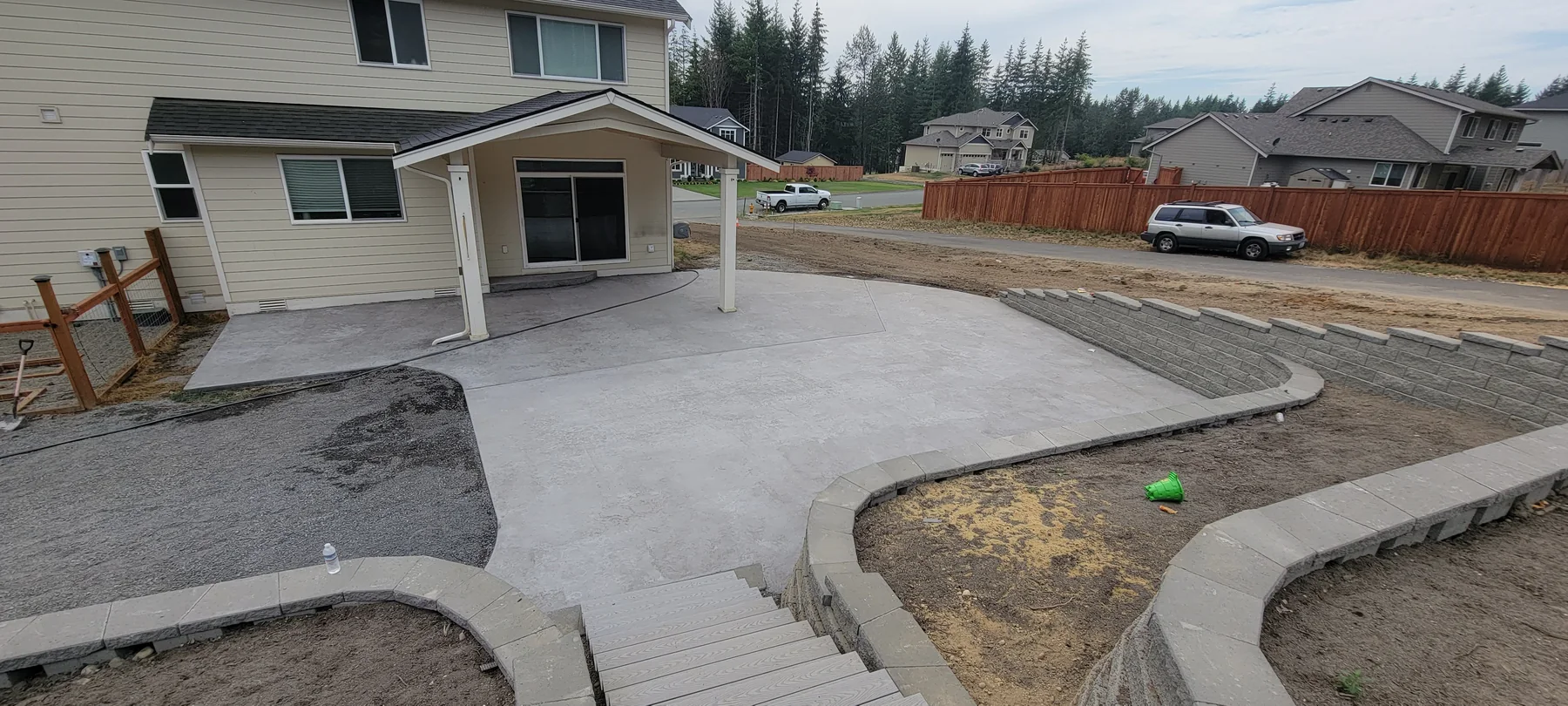
Many Mill Creek projects happen in established yards where roots, irrigation, planting beds and adjacent finished surfaces leave little staging room. The removal and delivery route should be agreed before pricing so protection is part of the scope rather than an emergency on pour day.
Driveway widening or replacement should trace water from the garage to the street and identify where private work meets curb, sidewalk or right-of-way. The City specifically notes concrete trucks in its right-of-way guidance, making street logistics an early planning item.
The useful estimate is based on the site and scope, not a generic square-foot number.
Planning, access, review and construction conditions determine the sequence.
Use Mill Creek’s permit page to determine whether the work needs building or land-disturbance review. Work that affects a driveway approach, sidewalk, curb or public street may require right-of-way coordination. HOA approval, when applicable, is a separate private requirement.
City of Mill Creek permits and licensing
City of Mill Creek right-of-way permits
Guidance reviewed July 15, 2026.
Always confirm current rules for the specific parcel and scope. This page is general project guidance, not a permit determination.
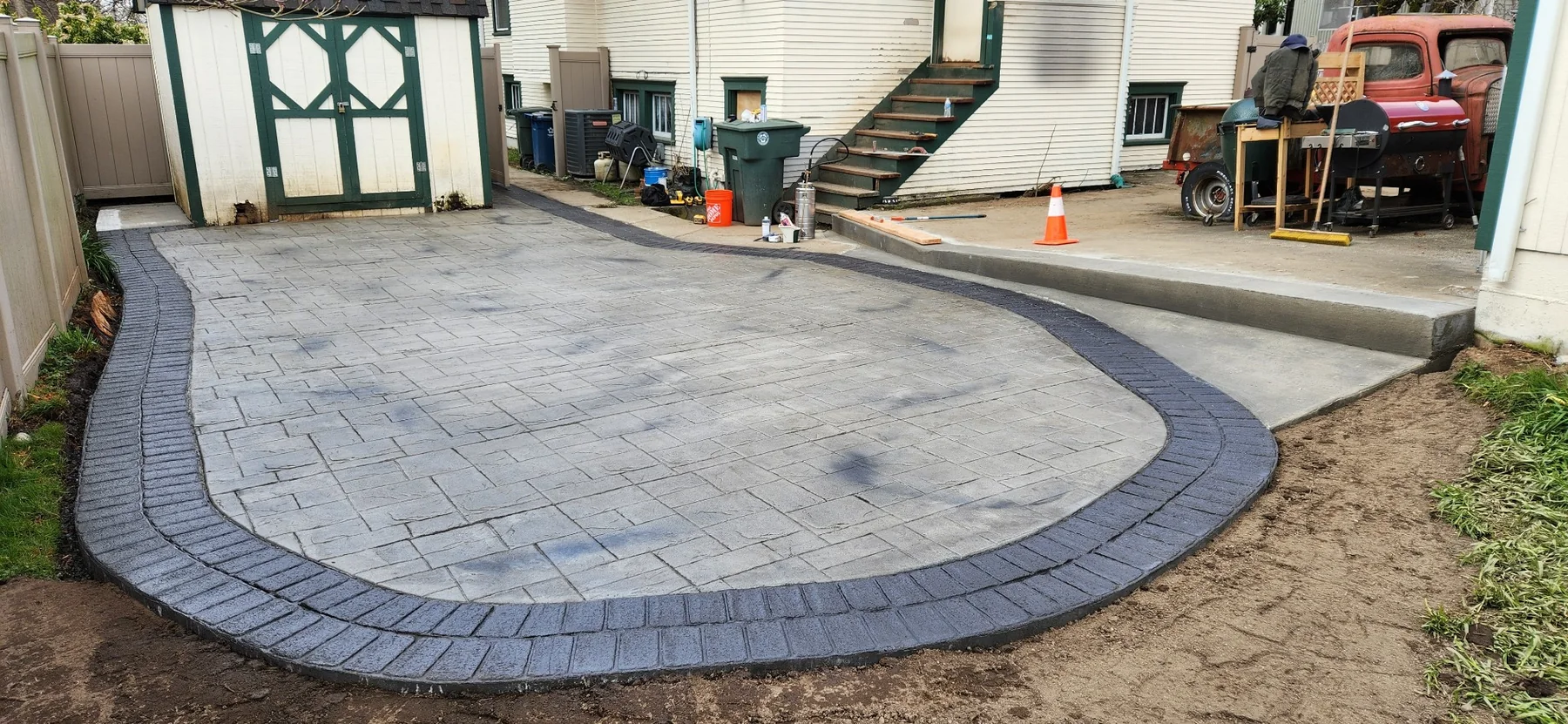
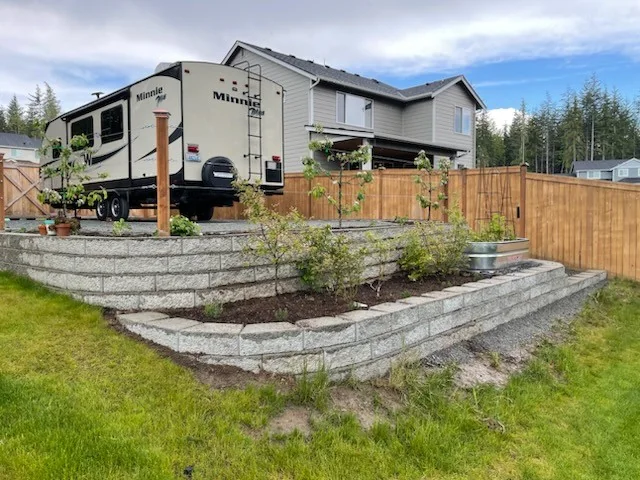
Real project images selected for this kind of work.
Surface damage can hide failed base, settlement or drainage problems. Decide whether a repair would solve the cause before preserving concrete that is already moving.
Broom, exposed-aggregate and decorative finishes differ in appearance, maintenance and wet-weather traction. Match the finish to how the surface will actually be used.
Set elevations and runoff direction before forms are built so the new work moves water away from the home without shifting a problem to a neighbor or public street.
Yes, subject to project fit and scheduling. Start by sharing the property address, the outcome you want, current-condition photos and any drawings or permit records. Those details help separate a workable construction scope from assumptions that still need City or engineering review.
Do not assume it can. The City’s right-of-way guidance specifically discusses concrete-truck activity. Street width, traffic, surface protection and any required permit should be confirmed before scheduling the pour.
Use Mill Creek’s permit page to determine whether the work needs building or land-disturbance review. Work that affects a driveway approach, sidewalk, curb or public street may require right-of-way coordination. HOA approval, when applicable, is a separate private requirement.
Share the address, approximate dimensions, access photos and the existing condition. Also flag landscape and irrigation protection along the access route, removal beside intact driveways, curbs or walks, base and drainage corrections within a developed lot. A site visit can then verify quantities, elevations and the work that belongs in the construction sequence.
Ready to build? Share the basics and we’ll start with a clear, straightforward conversation.